
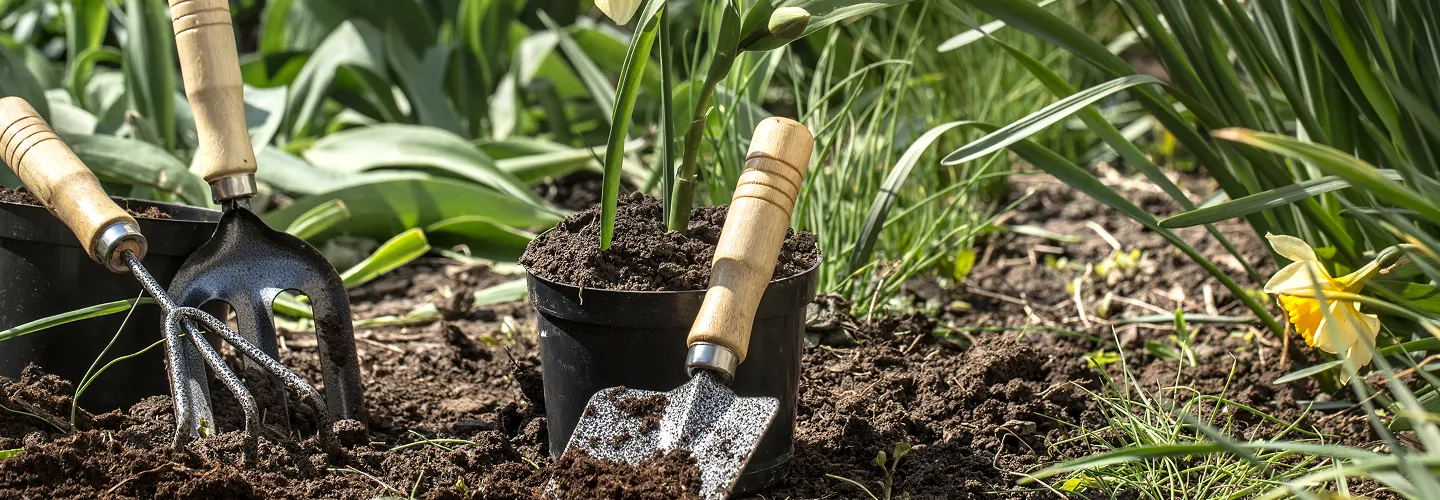
Ocotillo Flower Planting Services
Choose our flower planting services for vibrant, expertly arranged blooms that thrive in your landscape—bringing lasting beauty, curb appeal, and a touch of nature’s elegance to your home.
Get a Free QuoteOur Ocotillo Landscaping & Yard Care Services
When to Schedule Flower Planting in Ocotillo, Arizona – Seasonal Guide
Flower planting in Ocotillo, Arizona, is best scheduled with careful attention to the region’s unique climate and landscape. The ideal planting windows are typically in early spring (late February to March) and again in early fall (late September to October), when temperatures are milder and the risk of frost has passed. Neighborhoods near the Ocotillo Golf Club and along Queen Creek Road often experience microclimates due to varying shade from mature trees and proximity to water features, which can influence planting success.
Local environmental factors such as the area’s alkaline, well-draining soils, low annual precipitation, and occasional drought conditions play a significant role in determining the best times for flower planting. It’s important to monitor local frost dates—usually ending in early March—and to consider the impact of summer heat, which can be intense in communities like Fulton Ranch. For more detailed climate data and municipal guidelines, consult resources like the Sudbury town website.
Local Factors to Consider for Flower Planting in Ocotillo
- Tree density and available shade coverage in your yard
- Soil composition and drainage, especially in newer developments
- Annual precipitation patterns and drought risk
- Proximity to water features or retention basins
- Municipal watering restrictions and HOA guidelines
- Terrain variations, such as sloped lots or raised beds
Benefits of Flower Planting in Ocotillo
Expert Local Knowledge
Customized Plant Selection
Enhanced Curb Appeal
Sustainable Landscaping Solutions
Seasonal Color Planning
Professional Maintenance Services
Ocotillo Flower Planting Types

Cluster Planting
-
Accent Planting
-
Border Planting
-
Rock Garden Integration
-
Container Planting
-
Mixed Desert Beds
-
Privacy Screening
Our Flower Planting Process
Site Evaluation
Soil Preparation
Plant Selection
Careful Planting
Watering and Mulching
Why Choose Ocotillo Landscape Services
-
Ocotillo Homeowners Trust Us
-
Expert Lawn Maintenance
-
Reliable Irrigation Solutions
-
Competitive Pricing
-
Professional Team
-
Satisfaction Guarantee
-
Personalized Service
Coordinating Flower Planting Projects with Ocotillo's Municipal Programs and Departments
Ocotillo is a master-planned community within the City of Chandler, and all flower planting projects on residential and commercial properties fall under Chandler's municipal framework. Property owners planning flower installations along streetscapes, common areas, or near drainage infrastructure should coordinate with the appropriate city departments before beginning work. The Chandler Urban Forestry Program provides planting guidance and resources that extend to ornamental flower beds in public-facing areas, parkways, and community landscapes. When flower planting involves soil disturbance near retention basins, washes, or stormwater infrastructure, the Chandler Environmental Management division can clarify environmental compliance expectations.
- Verify whether HOA architectural review is required before modifying front-yard flower beds in Ocotillo's planned communities
- Confirm green waste disposal procedures for removed plant material through the Chandler Public Works & Utilities Department
- Consult the urban forestry program when planting near existing street trees or public landscape zones
Chandler Urban Forestry Program
Official Website: Chandler Urban Forestry Program
Chandler Environmental Management
Official Website: Chandler Environmental Management
How Ocotillo's Low-Desert Heat and Alkaline Soils Shape Flower Planting
Ocotillo sits within the Phoenix metro low-desert environment, classified in USDA Hardiness Zone 9b, where summer temperatures routinely exceed 110°F and winter lows rarely dip below the mid-30s. These conditions define which flowering species can survive and when planting is feasible. Soils throughout the Ocotillo area are predominantly alkaline sandy loam and decomposed granite, often underlain by caliche hardpan at varying depths. This high-pH soil profile limits nutrient availability—particularly iron and phosphorus—and demands targeted soil amendments before planting.
- Reflected heat from stucco walls, concrete driveways, and decorative rock mulch intensifies radiant exposure on flower beds, especially in south- and west-facing exposures
- Caliche layers may require mechanical breaking or raised-bed construction to ensure adequate root-zone drainage
- Monsoon runoff from July through September can wash out newly planted beds if emitter placement and grading do not account for sudden high-volume rainfall
- Irrigation dependence is year-round; even drought-adapted flowering species require supplemental drip irrigation during establishment, and the Arizona Department of Water Resources provides landscaping guidance aligned with regional conservation goals
Navigating Ocotillo's Regulatory Requirements for Flower Planting Compliance
Flower planting in Ocotillo generally does not require a building permit for standard residential bed installation, but several regulatory layers apply depending on project scope and location. The City of Chandler enforces landscape standards through its Development Services Department, particularly for properties undergoing site modifications visible from public rights-of-way. Any flower planting that involves grading changes, irrigation system modifications, or work adjacent to designated washes or flood-control channels may trigger review through the city's engineering or development services process.
- Stormwater compliance under Arizona DEQ's Phase II MS4 program requires that soil, mulch, and organic debris from planting projects not enter storm drains or drainage channels
- The Arizona Department of Agriculture maintains a noxious weed list; property owners should verify that selected flower species are not classified as invasive or prohibited
- Chemical soil amendments or pest treatments applied during flower bed preparation must be handled by properly licensed applicators under Arizona's pesticide licensing framework
Chandler Development Services Department
Official Website: Chandler Development Services Department
Timing Flower Planting Around Ocotillo's Monsoon Season and Frost Windows
Professional flower planting in Ocotillo follows two primary installation windows dictated by the region's extreme climate. The fall window—typically mid-October through November—allows cool-season annuals such as petunias, snapdragons, pansies, and stock to establish root systems before the brief frost risk period in December and January. The spring window—late February through early March—targets warm-season and desert-adapted flowering species such as vinca, lantana, desert marigold, and angelita daisy before sustained triple-digit heat arrives.
- Soil preparation should include organic matter incorporation to improve moisture retention in alkaline, fast-draining desert soils; compost blended into the top several inches of the planting zone supports root establishment
- Drip emitter placement must deliver water directly to root zones rather than overhead, reducing evaporative loss and preventing foliar disease in high-heat conditions
- Mulch application of two to three inches of organic or decorative rock mulch moderates soil temperature and reduces irrigation frequency
- Hydrozoning groups flowers by water demand, separating high-water annuals from drought-tolerant perennials to align with efficient irrigation scheduling
- Avoid planting during peak monsoon months (July–August) when sudden downpours can displace soil and damage transplants before root anchoring occurs
What Neighborhoods Do We Serve Throughout Ocotillo, AZ?
- Ocotillo Lakes — Properties surrounding the community lakes feature irrigated landscape beds with high reflected moisture and humidity, requiring flower species tolerant of both heat and occasional standing water proximity
- Ocotillo Golf Resort area — Larger lots near the golf course often have expansive planting beds with mature trees providing partial shade, allowing a broader palette of flowering species than fully exposed sites
- Fulton Ranch — This established subdivision features compact front-yard landscapes with HOA-regulated planting standards, where flower bed modifications typically require architectural committee approval
- Sun Groves — Homes in this area commonly have south-facing front yards with significant radiant heat from concrete and block walls, demanding heat-tolerant flower selections and precise emitter coverage
- Ocotillo Heights — Properties at slightly higher elevations within the community may experience marginally cooler overnight temperatures, extending the viability of cool-season annuals into early spring