
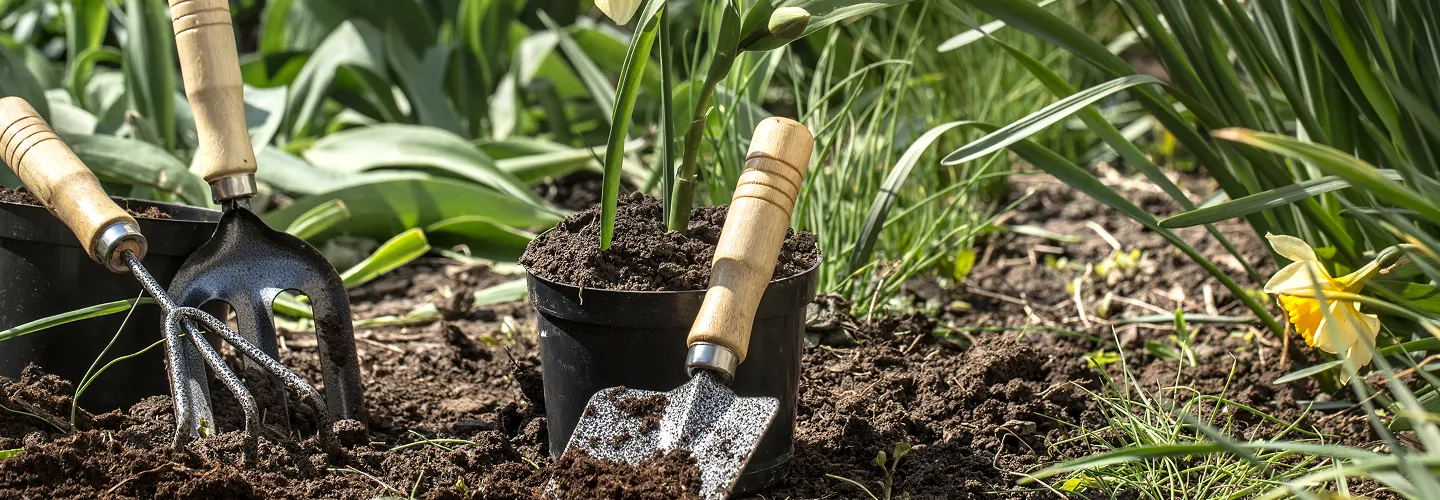
Ocotillo Flower Bed Maintenance Services
Choose our Flower Bed Maintenance for expert care, healthy blooms, and a beautiful landscape that enhances your home's curb appeal—let us handle the details so you can enjoy effortless beauty.
Get a Free QuoteOur Ocotillo Landscaping & Yard Care Services
When to Schedule Flower Bed Maintenance in Ocotillo, Arizona – Seasonal Guide
In Ocotillo, Arizona, the timing of flower bed maintenance is crucial for keeping your landscape vibrant and healthy throughout the year. Due to our unique Sonoran Desert climate, with its hot summers, mild winters, and occasional monsoon rains, the best periods for maintenance are typically early spring (late February to April) and late fall (October to early December). These windows allow for planting, pruning, and soil amendments before the extremes of summer heat or winter chill set in.
Local neighborhoods like Ocotillo Lakes and the areas surrounding Snedigar Recreation Center often experience microclimates influenced by nearby water features, shade from mature mesquite and palo verde trees, and varying soil compositions. It's important to consider factors such as the last frost date—usually in early February—and the risk of drought, which can impact both the timing and type of maintenance required. For more information on local environmental guidelines, you can visit the Sudbury municipal site.
Local Factors to Consider for Flower Bed Maintenance in Ocotillo
- Tree density and shade coverage, especially in established neighborhoods
- Soil type and drainage, which can vary between lakeside and desert-adjacent properties
- Seasonal precipitation patterns, including monsoon storms
- Municipal watering restrictions and HOA guidelines
- Proximity to landmarks like Ocotillo Golf Club, which may influence microclimates
- Risk of frost or extreme heat impacting plant health
Benefits of Flower Bed Maintenance in Ocotillo
Enhanced Curb Appeal
Weed and Pest Prevention
Healthier Plant Growth
Seasonal Color Management
Professional Expertise
Time and Effort Savings
Ocotillo Flower Bed Maintenance Types

Seasonal Mulching
-
Weed Control
-
Soil Amendment
-
Pruning and Trimming
-
Irrigation Management
-
Fertilization
-
Pest and Disease Monitoring
Our Flower Bed Maintenance Process
Site Evaluation
Weed Removal
Soil Preparation
Plant Care
Mulching
Why Choose Ocotillo Landscape Services
-
Ocotillo Homeowners Trust Us
-
Expert Lawn Maintenance
-
Reliable Irrigation Solutions
-
Competitive Pricing
-
Professional Team
-
Satisfaction Guarantee
-
Personalized Service
Coordinating Flower Bed Maintenance with Ocotillo's Municipal Programs and Services
Ocotillo is a master-planned community within the City of Chandler, and residents maintaining flower beds should be aware of municipal programs that affect landscape upkeep. The City of Chandler manages green waste collection, and all organic debris generated from flower bed maintenance—including spent annuals, pulled weeds, and trimmed perennial stems—must be disposed of according to current bulk pickup or green waste guidelines. Property owners adjacent to retention basins, common-area washes, or public rights-of-way should confirm that bed maintenance activities do not deposit soil, mulch, or plant material into drainage infrastructure. The Chandler Urban Forestry Program provides planting guidance that can inform species selection for beds near public-facing streetscapes.
- Verify current green waste collection schedules and accepted materials through the City of Chandler
- Keep organic debris, loose mulch, and soil amendments away from curb inlets and storm drains
- Coordinate with HOA landscape committees where community design standards govern bed appearance
- Contact Public Works for questions about right-of-way plantings or bulk disposal
Chandler Public Works & Utilities Department
Official Website: Chandler Public Works & Utilities Department
How Ocotillo's Low-Desert Heat and Alkaline Soils Affect Flower Bed Health
Ocotillo sits within the Phoenix metro low-desert environment, classified in USDA Hardiness Zone 9b to 10a, where summer temperatures routinely exceed 110°F and frost events are infrequent but possible between December and February. These conditions impose specific demands on flower bed maintenance that differ substantially from temperate climates.
- Soil alkalinity: Ocotillo's soils tend toward alkaline pH levels, often above 7.5, which can limit iron and micronutrient availability for flowering plants and may require chelated iron supplements or sulfur amendments
- Caliche layers: Subsurface caliche is common in Chandler-area subdivisions and can impede drainage, causing water to pool around root zones and promoting root rot in sensitive annuals
- Reflected heat: Block walls, concrete walkways, and decomposed granite mulch radiate stored heat, raising bed-level temperatures well above ambient air readings and accelerating moisture loss from emitter zones
- Monsoon runoff: Intense summer storms can wash mulch from beds, erode exposed soil, and deposit sediment into adjacent drainage channels
The Arizona Department of Water Resources provides landscaping guidance that supports water-efficient bed design suited to these conditions.
Navigating Ocotillo's Regulatory Requirements for Flower Bed Chemical Applications
Flower bed maintenance in Ocotillo frequently involves herbicide application for weed suppression and, in some cases, fungicide or insecticide treatments. Arizona law requires that any person applying restricted-use pesticides hold appropriate certification through the Arizona Department of Agriculture. Even general-use products must be applied in accordance with label directions, and applicators should take precautions to prevent drift onto neighboring properties or into drainage corridors.
- Pre-emergent herbicides applied to flower beds must not migrate into retention basins or wash channels; the Arizona DEQ stormwater program addresses pollutant discharge prevention under the MS4 framework
- Noxious weed species identified by the Arizona Department of Agriculture should be removed promptly when found in flower beds to prevent spread into common areas
- HOA-governed communities within Ocotillo may impose additional restrictions on chemical application timing, product types, or notification requirements
Chandler Environmental Management
Official Website: Chandler Environmental Management
Timing Flower Bed Maintenance Around Ocotillo's Seasonal Planting Windows
Professional flower bed maintenance in Ocotillo follows a seasonal rhythm dictated by the low-desert climate. Proper timing of each maintenance task protects plant health and reduces resource waste.
- Fall planting (October–November): The primary window for installing cool-season annuals such as petunias, snapdragons, and pansies; soil temperatures have dropped enough for root establishment before winter
- Spring transition (March–April): Remove spent cool-season flowers and prepare beds for warm-season plantings including vinca, lantana, and desert marigold; amend soil and inspect drip emitters before heat intensifies
- Deadheading and cleanup: Remove faded blooms every two to three weeks during active flowering periods to redirect plant energy and maintain bed appearance
- Mulch replenishment: Apply or redistribute organic or mineral mulch to a depth commonly recommended around two to three inches before monsoon season to reduce washout and moderate soil temperature
- Irrigation audit: Check emitter flow rates and coverage monthly during summer; clogged or misaligned emitters can leave sections of a bed without water during critical heat periods
- Weed suppression: Apply pre-emergent treatments in late September and again in late February to intercept the two primary germination cycles in the low desert
Chandler Water Quality
Official Website: Chandler Water Quality
What Neighborhoods Do We Serve Throughout Ocotillo, AZ?
- Fulton Ranch: Large residential lots with established landscape beds often featuring mature desert-adapted shrubs and seasonal color rotations that require consistent emitter maintenance and mulch management
- Ocotillo Lakes: Properties near community lake features may experience higher ambient humidity and different pest pressure compared to surrounding desert lots, influencing fungal monitoring in flower beds
- Reflections at Ocotillo: Newer construction with compact lot sizes where reflected heat from close-set walls intensifies bed-level temperatures and accelerates soil moisture depletion
- Solera at Johnson Ranch: An active-adult community where low-maintenance bed designs benefit from drought-tolerant perennials and efficient drip irrigation layouts
- Vaseo: Contemporary home designs with front-yard flower beds subject to HOA appearance standards that may dictate plant palette, mulch type, and maintenance frequency
- Chandler Heights Citrus: Properties on larger parcels with legacy citrus and ornamental beds that may require soil amendment to address salt accumulation from long-term irrigation